

A-1 Automotive Blog
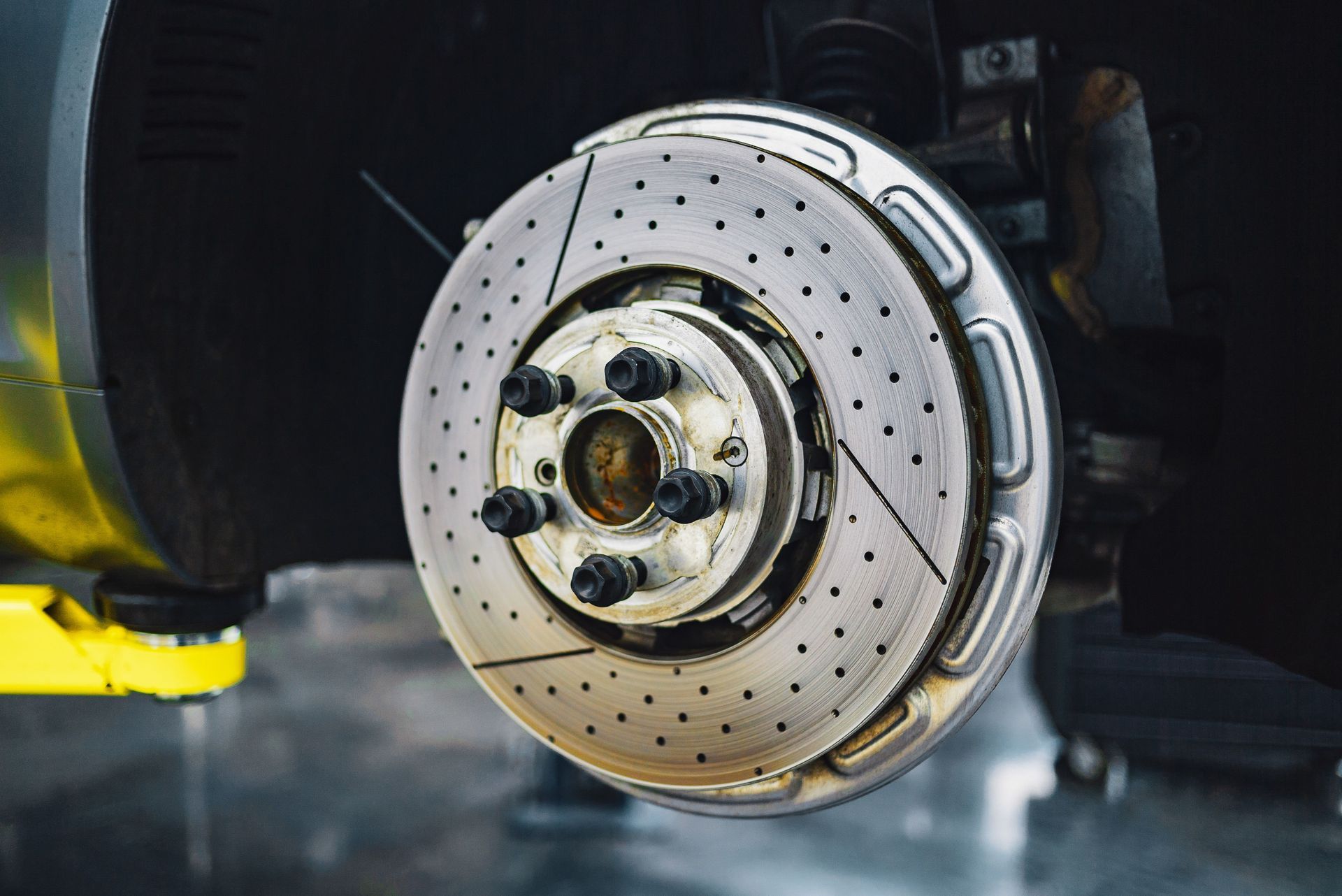
Brake components wear down through regular use, but unusual noises, changes in pedal feel, or problems while stopping can indicate that professional service is needed now. Recognizing the warning signs of brake trouble early can help prevent additional damage and keep your vehicle performing safely. At A-1 Automotive, our local mechanics provide expert brake repair in the greater Portland, OR area. Here are four warning signs that your vehicle needs brake repair. Soft Brake Pedal Your brake pedal should provide consistent resistance when you press it. If the pedal suddenly feels soft, spongy, or unusually low, there may be a serious issue within the braking system. Possible causes can include air or moisture in the brake lines, or a brake fluid leak. With leaking brake fluid, you’ve got a major safety hazard. Abnormal Noises Unusual sounds when you apply the brakes are among the most recognizable signs of brake trouble. High-pitched squealing may indicate that brake pads are becoming worn, while grinding can occur when brake pad material has been depleted and metal components are contacting each other. Ignoring these noises can allow a relatively manageable brake problem to become more serious. Having the system inspected promptly can help identify the source of the noise and prevent further damage. Vibrations While Braking If you notice vibrations when you apply the brakes, it could indicate a rotor problem. Brake rotors can develop uneven surfaces or other issues that affect how the system operates. Vibrations may also have other causes, so a professional inspection is important for accurately identifying the underlying problem and determining which components require service. Vehicle Pulls While Stopping A vehicle that pulls toward one side when braking can pose a serious safety hazard. A sticking caliper, perhaps because of corrosion, may cause pulling. Because pulling can make it more difficult to maintain control during a stop, it’s important to have the vehicle inspected. Brake Repair in Portland, OR For expert auto repair in Portland, OR or Vancouver, WA, visit A-1 Automotive. Feel free to give us a call to schedule an appointment!

Your vehicle's cooling system is responsible for keeping the engine within a safe operating temperature range. It circulates coolant through the engine, carries excess heat to the radiator, and helps prevent overheating during everyday driving. When a cooling system component develops a problem, your vehicle may provide several noticeable warning signs. Recognizing these symptoms and seeking professional service promptly can help prevent a relatively minor cooling system issue from causing serious engine damage. At A-1 Automotive, we provide expert cooling system repair in the greater Portland, OR area. Here are four common signs of cooling system trouble. Spiking Temperature Gauge A temperature gauge that suddenly climbs toward the hot zone is one of the clearest signs of a cooling system problem. Low coolant, thermostat problems, a failing water pump, radiator restrictions, and cooling fan issues can all contribute to rising engine temperatures. If your temperature gauge suddenly spikes, don't continue driving as though nothing is wrong. Safely pull over and then it’ll be best to have the vehicle inspected. Steam Coming From the Engine Steam coming from beneath the hood can indicate that the engine or cooling system has become excessively hot. It may also occur when leaking coolant reaches hot engine components. Because an overheating engine can suffer significant damage, steam should always be treated as a serious warning. Pull over safely, turn off the engine, and allow the vehicle to cool. Never remove a radiator or coolant reservoir cap while the system is hot because pressurized coolant can cause severe burns. A Sweet Coolant Smell A noticeable sweet smell around the vehicle can be another indication of a coolant leak. Coolant has a distinctive odor that may become particularly noticeable when it leaks onto hot components or accumulates beneath the vehicle. A sweet smell doesn't necessarily mean the leak is severe, but ignoring it can allow the coolant level to fall and increase the risk of overheating. Have the cooling system inspected to locate and repair the source. Low Coolant or Visible Coolant Leaks If your coolant reservoir repeatedly becomes low, there may be a leak somewhere in the cooling system. Leaks can develop in hoses, the radiator, water pump, or elsewhere. You may also notice puddles or drops of coolant underneath the vehicle. Simply adding more coolant without repairing the underlying leak can allow the problem to continue and potentially lead to an overheating event. Cooling System Repair in Portland, OR For expert auto repair in Portland, OR or Vancouver, WA, visit A-1 Automotive. At our nearby auto shop, we can thoroughly address your car’s repair and maintenance needs. Feel free to give us a call to schedule an appointment!
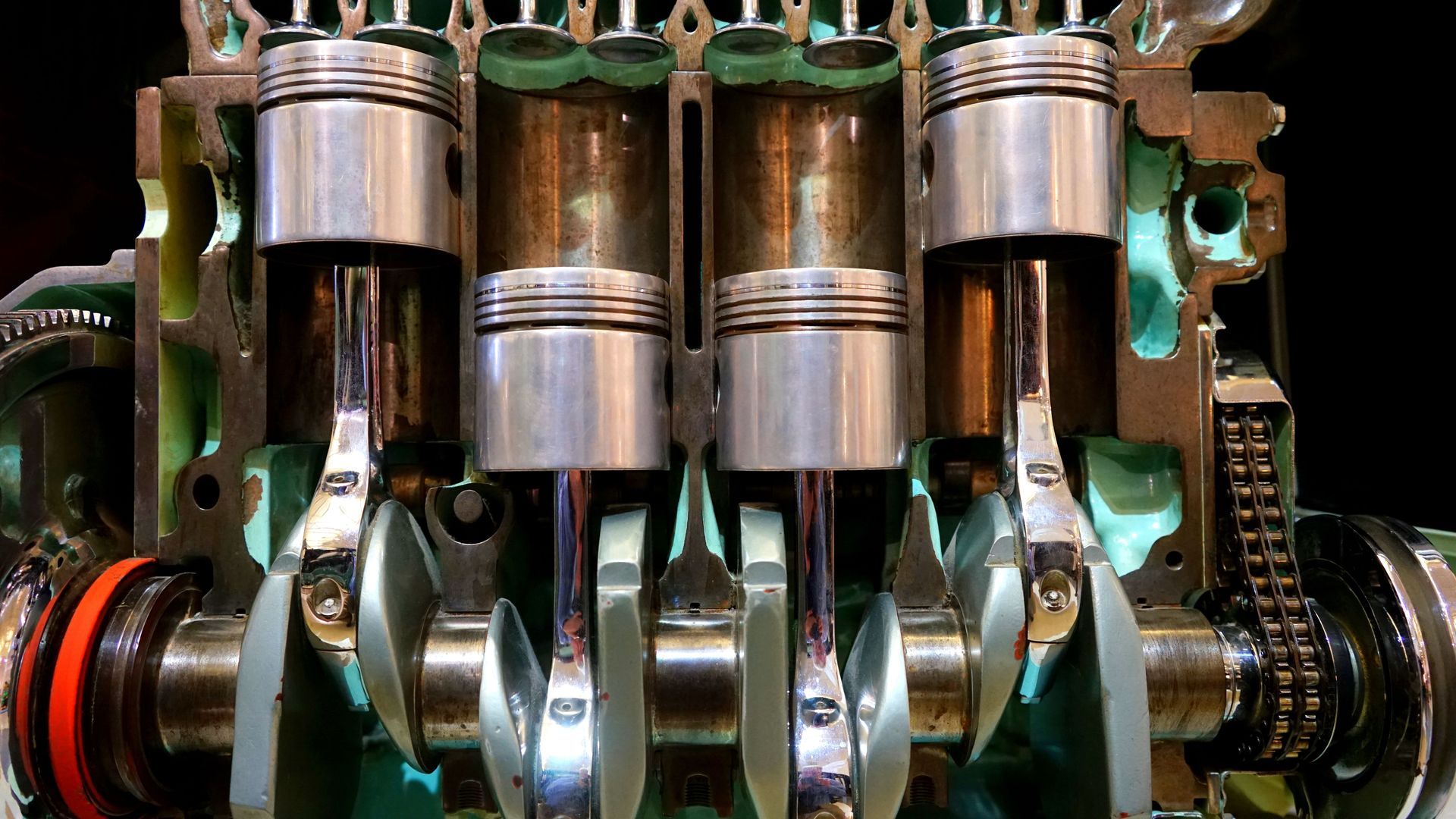
Regular oil changes are one of the most important maintenance tasks for keeping your vehicle running smoothly and reliably. Engine oil plays a critical role in lubricating moving parts, reducing friction, controlling heat, and preventing excessive wear. Over time, oil breaks down and becomes contaminated with dirt and debris, reducing its ability to protect your engine. Following your manufacturer's recommended oil change schedule helps maintain performance, prevent costly repairs, and extend the life of your vehicle. At A-1 Automotive, we provide full-service oil changes in the greater Portland, OR area. Here are four important reasons why staying on top of oil changes is essential. Protect Your Engine From Excessive Wear Your engine contains many moving parts that operate at high speeds and temperatures. Engine oil creates a protective barrier between these components, reducing friction and preventing harsh metal-on-metal contact. As oil ages, it loses its ability to lubricate effectively, which can increase wear on critical engine parts. Regular oil changes help ensure your engine has clean, effective lubrication. Improve Engine Performance and Efficiency Fresh engine oil allows your vehicle's components to operate more efficiently. When oil becomes old, thick, or contaminated, the engine may have to work harder to move its internal parts. This can lead to sluggish acceleration and decreased fuel-efficiency. Maintaining a consistent oil change schedule helps your engine run smoothly and efficiently, allowing your vehicle to perform at its best. Help Prevent Overheating and Engine Damage Engine oil does more than provide lubrication—it also helps absorb and carry away heat generated during operation. Dirty or degraded oil cannot manage heat as effectively, increasing the risk of excessive temperatures and engine stress. Regular oil changes help ensure your engine has the protection it needs to operate safely. Maintain Your Vehicle's Long-Term Value A well-maintained vehicle is more likely to provide reliable service and retain its value over time. Keeping records of regular oil changes shows that you have properly cared for your vehicle, which can be beneficial if you decide to sell. Full-Service Oil Changes in Portland, OR and Vancouver, WA For expert auto maintenance in Vancouver, WA and Portland, OR, visit A-1 Automotive. Feel free to give us a call to schedule an appointment for car care in greater Portland!
Brake components wear down through regular use, but unusual noises, changes in pedal feel, or problems while stopping can indicate that professional service is needed now. Recognizing the warning signs of brake trouble early can help prevent additional damage and keep your vehicle performing safely. At A-1 Automotive, our local mechanics provide expert brake repair in the greater Portland, OR area. Here are four warning signs that your vehicle needs brake repair. Soft Brake Pedal Your brake pedal should provide consistent resistance when you press it. If the pedal suddenly feels soft, spongy, or unusually low, there may be a serious issue within the braking system. Possible causes can include air or moisture in the brake lines, or a brake fluid leak. With leaking brake fluid, you’ve got a major safety hazard. Abnormal Noises Unusual sounds when you apply the brakes are among the most recognizable signs of brake trouble. High-pitched squealing may indicate that brake pads are becoming worn, while grinding can occur when brake pad material has been depleted and metal components are contacting each other. Ignoring these noises can allow a relatively manageable brake problem to become more serious. Having the system inspected promptly can help identify the source of the noise and prevent further damage. Vibrations While Braking If you notice vibrations when you apply the brakes, it could indicate a rotor problem. Brake rotors can develop uneven surfaces or other issues that affect how the system operates. Vibrations may also have other causes, so a professional inspection is important for accurately identifying the underlying problem and determining which components require service. Vehicle Pulls While Stopping A vehicle that pulls toward one side when braking can pose a serious safety hazard. A sticking caliper, perhaps because of corrosion, may cause pulling. Because pulling can make it more difficult to maintain control during a stop, it’s important to have the vehicle inspected. Brake Repair in Portland, OR For expert auto repair in Portland, OR or Vancouver, WA, visit A-1 Automotive. Feel free to give us a call to schedule an appointment!
Your vehicle's cooling system is responsible for keeping the engine within a safe operating temperature range. It circulates coolant through the engine, carries excess heat to the radiator, and helps prevent overheating during everyday driving. When a cooling system component develops a problem, your vehicle may provide several noticeable warning signs. Recognizing these symptoms and seeking professional service promptly can help prevent a relatively minor cooling system issue from causing serious engine damage. At A-1 Automotive, we provide expert cooling system repair in the greater Portland, OR area. Here are four common signs of cooling system trouble. Spiking Temperature Gauge A temperature gauge that suddenly climbs toward the hot zone is one of the clearest signs of a cooling system problem. Low coolant, thermostat problems, a failing water pump, radiator restrictions, and cooling fan issues can all contribute to rising engine temperatures. If your temperature gauge suddenly spikes, don't continue driving as though nothing is wrong. Safely pull over and then it’ll be best to have the vehicle inspected. Steam Coming From the Engine Steam coming from beneath the hood can indicate that the engine or cooling system has become excessively hot. It may also occur when leaking coolant reaches hot engine components. Because an overheating engine can suffer significant damage, steam should always be treated as a serious warning. Pull over safely, turn off the engine, and allow the vehicle to cool. Never remove a radiator or coolant reservoir cap while the system is hot because pressurized coolant can cause severe burns. A Sweet Coolant Smell A noticeable sweet smell around the vehicle can be another indication of a coolant leak. Coolant has a distinctive odor that may become particularly noticeable when it leaks onto hot components or accumulates beneath the vehicle. A sweet smell doesn't necessarily mean the leak is severe, but ignoring it can allow the coolant level to fall and increase the risk of overheating. Have the cooling system inspected to locate and repair the source. Low Coolant or Visible Coolant Leaks If your coolant reservoir repeatedly becomes low, there may be a leak somewhere in the cooling system. Leaks can develop in hoses, the radiator, water pump, or elsewhere. You may also notice puddles or drops of coolant underneath the vehicle. Simply adding more coolant without repairing the underlying leak can allow the problem to continue and potentially lead to an overheating event. Cooling System Repair in Portland, OR For expert auto repair in Portland, OR or Vancouver, WA, visit A-1 Automotive. At our nearby auto shop, we can thoroughly address your car’s repair and maintenance needs. Feel free to give us a call to schedule an appointment!
Regular oil changes are one of the most important maintenance tasks for keeping your vehicle running smoothly and reliably. Engine oil plays a critical role in lubricating moving parts, reducing friction, controlling heat, and preventing excessive wear. Over time, oil breaks down and becomes contaminated with dirt and debris, reducing its ability to protect your engine. Following your manufacturer's recommended oil change schedule helps maintain performance, prevent costly repairs, and extend the life of your vehicle. At A-1 Automotive, we provide full-service oil changes in the greater Portland, OR area. Here are four important reasons why staying on top of oil changes is essential. Protect Your Engine From Excessive Wear Your engine contains many moving parts that operate at high speeds and temperatures. Engine oil creates a protective barrier between these components, reducing friction and preventing harsh metal-on-metal contact. As oil ages, it loses its ability to lubricate effectively, which can increase wear on critical engine parts. Regular oil changes help ensure your engine has clean, effective lubrication. Improve Engine Performance and Efficiency Fresh engine oil allows your vehicle's components to operate more efficiently. When oil becomes old, thick, or contaminated, the engine may have to work harder to move its internal parts. This can lead to sluggish acceleration and decreased fuel-efficiency. Maintaining a consistent oil change schedule helps your engine run smoothly and efficiently, allowing your vehicle to perform at its best. Help Prevent Overheating and Engine Damage Engine oil does more than provide lubrication—it also helps absorb and carry away heat generated during operation. Dirty or degraded oil cannot manage heat as effectively, increasing the risk of excessive temperatures and engine stress. Regular oil changes help ensure your engine has the protection it needs to operate safely. Maintain Your Vehicle's Long-Term Value A well-maintained vehicle is more likely to provide reliable service and retain its value over time. Keeping records of regular oil changes shows that you have properly cared for your vehicle, which can be beneficial if you decide to sell. Full-Service Oil Changes in Portland, OR and Vancouver, WA For expert auto maintenance in Vancouver, WA and Portland, OR, visit A-1 Automotive. Feel free to give us a call to schedule an appointment for car care in greater Portland!
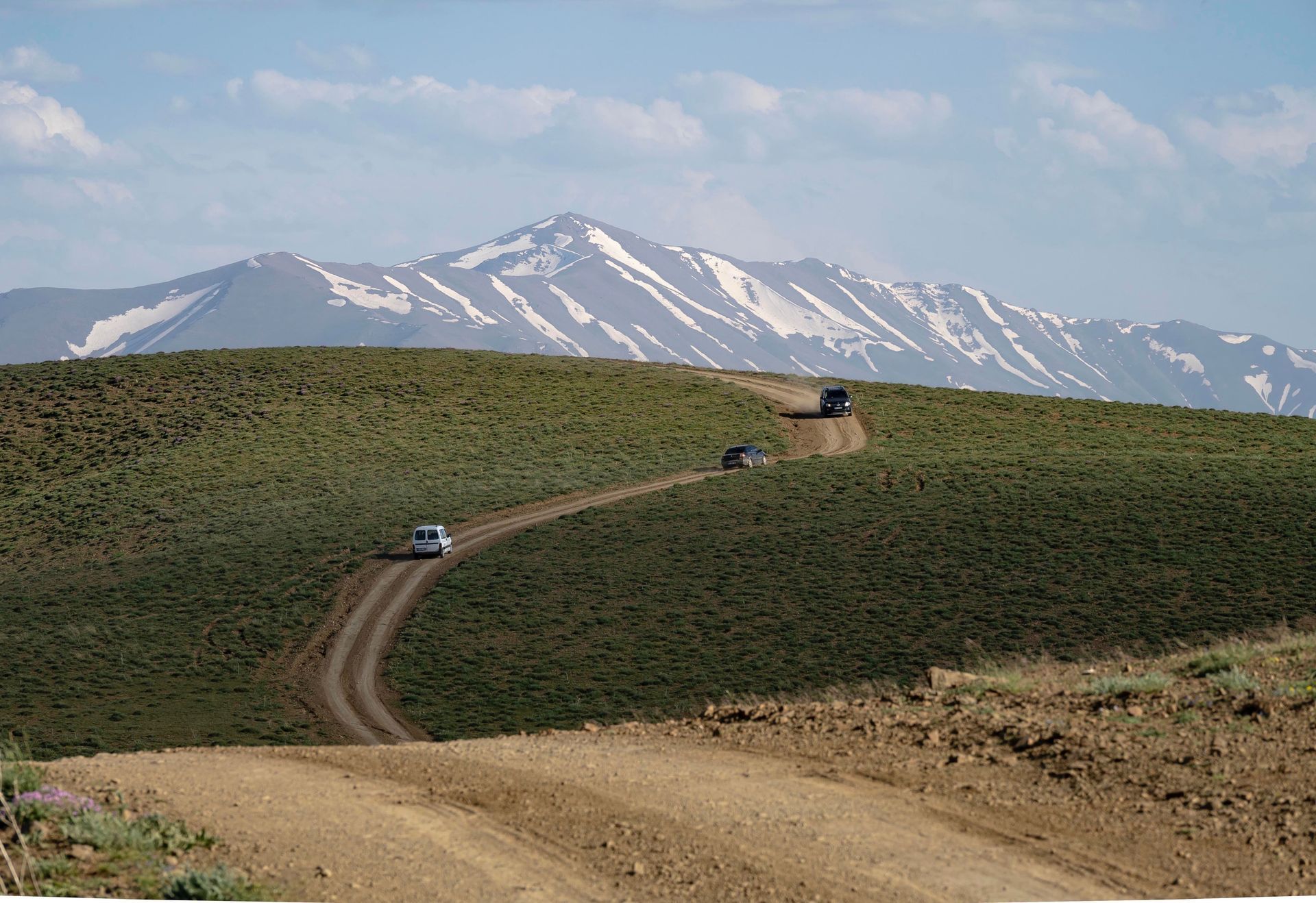
Planning a road trip is exciting, but before you hit the highway, it’s essential to make sure your vehicle is in top condition. Long drives put extra stress on your car’s systems, and even small issues can turn into major problems far from home. A mechanic can help you prepare your vehicle for the journey by identifying risks early and ensuring everything is operating safely and efficiently. At A-1 Automotive, our local mechanics can expertly prepare your vehicle for your adventure. Here are five ways a mechanic can help get your car ready for a road trip. Perform a Full Vehicle Inspection A comprehensive inspection is the first step in road trip preparation. The mechanic can examine key systems such as the engine, brakes, steering, suspension, belts, and hoses. This helps identify worn or failing components that could cause breakdowns during long-distance travel. Check All Essential Fluid Levels Fluids are vital for keeping your vehicle running smoothly. Your mechanic can inspect and change or top off engine oil, coolant, brake fluid, transmission fluid, and windshield washer fluid. They can also check for leaks that may lead to problems during your trip. Test the Battery and Charging System A weak battery or faulty alternator can leave you stranded without much warning. Mechanics can test the battery’s charge, inspect connections, and evaluate the charging system to help ensure reliable starting and consistent electrical performance throughout your trip. Inspect Braking Performance Safe stopping power is critical when driving long distances, especially in mountainous terrain. The mechanic can check brake pads, rotors, calipers, and brake fluid condition. This helps ensure your braking system responds properly when hazards arise. Diagnose Engine Performance Issues Before a long road trip, it’s important to ensure your engine is running efficiently. The mechanic can scan for diagnostic trouble codes, evaluate engine performance, and address issues such as misfires, sensor problems, and fuel system concerns before they become more serious on the road. Auto Maintenance in Portland, OR and Vancouver, WA When you need auto maintenance in Vancouver, WA or Portland, OR, visit A-1 Automotive. At our nearby auto shop, our highly-rated mechanics can expertly prepare your car for your road trip. Feel free to give us a call to make an appointment!
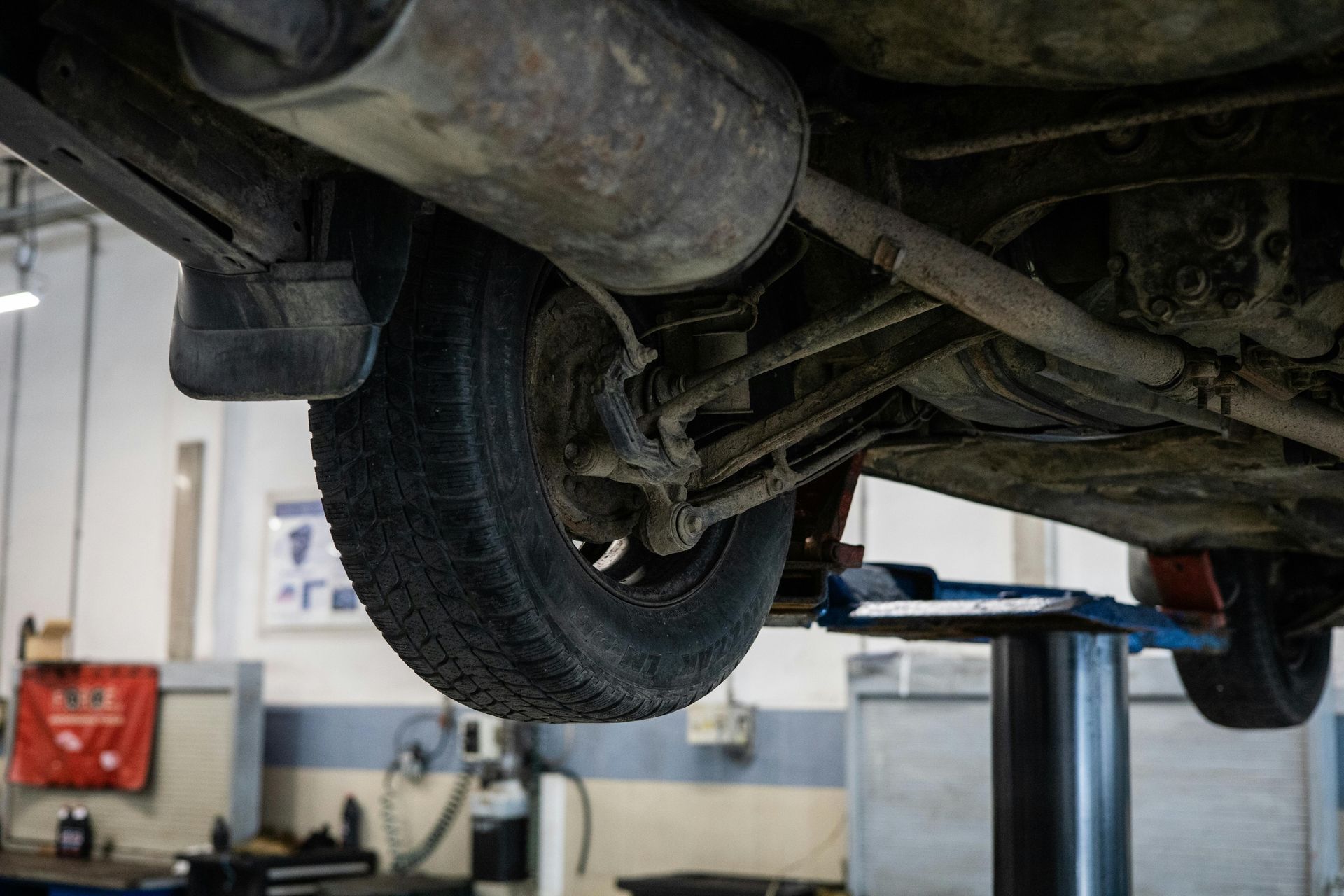
The suspension helps absorb bumps while keeping the tires properly connected to the road surface. But as they get older, suspension components such as shocks, struts, springs, and bushings naturally wear out. When problems develop, your vehicle may become less stable, harder to control, and less comfortable to drive. At A-1 Automotive, we provide expert suspension repair in the greater Portland area. Here are five common signs of suspension trouble that should not be ignored. Excessive Bouncing One of the most noticeable signs of suspension problems is excessive bouncing after driving over bumps. Healthy shocks and struts should quickly stabilize the vehicle after impact. If the car continues bouncing several times after hitting a pothole or speed bump, the suspension may no longer be absorbing road impacts properly. Uneven Tire Wear Suspension problems often cause uneven tire wear because the tires may not maintain consistent contact with the road. Drivers may notice bald spots, cupping, or uneven tread patterns developing more quickly than normal. Uneven tire wear can reduce traction, shorten tire lifespan, and negatively impact handling. Addressing suspension issues early can help protect both the tires and the vehicle’s stability. Pulling or Drifting While Driving A vehicle with suspension trouble may pull to one side or feel unstable while driving. Worn suspension components can affect wheel alignment and steering response. Drivers may notice that the vehicle drifts or feels difficult to keep centered on the road. Poor stability can become especially dangerous during wet weather or emergency maneuvers. Clunking or Squeaking Noises Unusual noises coming from underneath the vehicle may indicate worn or damaged suspension parts. Clunking, knocking, or squeaking sounds often occur when driving over bumps. These noises may result from worn bushings, ball joints, shocks, or other suspension components. Ignoring these sounds can allow the problem to worsen. Nose Diving During Braking If the front of the vehicle dips excessively forward during braking, worn shocks may be to blame. This problem, commonly called nose diving, occurs when the suspension can no longer properly stabilize the vehicle’s weight transfer. Excessive nose diving can increase stopping distances and reduce braking control. Prompt suspension repairs help restore safer handling. Suspension Repair in Portland, OR For expert auto repair in Portland, OR or Vancouver, WA, visit A-1 Automotive. Feel free to give us a call to make an appointment!
